
Facebook addiction is a compulsive behavior when an individual excessively uses the platform. An addiction is a condition where a person becomes uncontrollably engaged in a behavior or activity, leading to negative results mentally and physically. Facebook addiction happens when excessive use of the platform disrupts daily life, relationships, and overall well-being. Recognizing Facebook addiction early is necessary for addressing the problem before it escalates. The need for social validation in the form of likes, comments, and constant engagement usually causes Facebook addiction. Symptoms include spending excessive time on Facebook, not caring about responsibilities, and experiencing anxiety or irritability when unable to access the platform. Facebook addiction can lead to feelings of isolation and emotional distress, impacting mental health. The disorder, when left untreated, can become dangerous, resulting in serious consequences for mental and physical health. Treatment options include therapy (Cognitive Behavioural Therapy and structured detox programs that help individuals regain control over their behavior. Addressing underlying issues (anxiety or depression) allows recovery. The importance of early intervention in recognizing and addressing underlying mental health conditions can aid recovery. Acknowledging and addressing addiction early prevents further harm. Chronically online meaning individuals experience difficulties in managing their time and interactions, which further deepens the cycle of addiction.
Why is Facebook addictive?
Facebook is addictive because it triggers reward pathways in the brain through unpredictable notifications, likes, and comments. The platform uses algorithms that prioritize engaging content, which keeps users scrolling for extended periods. Social validation from reactions and comments creates a sense of approval that encourages repeated use. Personalized feeds combine entertainment, news, and social updates, which makes leaving the platform harder. Immediate access to social connections gives a constant source of interaction that strengthens habitual checking. Features (tagging, stories, and live videos) make an individual have a fear of missing out that draws users back frequently. Variable rewards, similar to slot machine mechanics, make user engagement more persistent. Psychological and design factors (Social approvals and image) work together to sustain prolonged and repeated use of the platform. Facebook addiction may lead to chronic online behaviors that can impact daily life and contribute to Facebook Addiction Disorder.
What is Facebook Addiction?
Facebook addiction is a behavior that an individual performs when using the platform. Addiction to Facebook develops when individuals consistently engage with the platform at the expense of other responsibilities and real-world interactions. The brain’s reward system is activated by the need for social validation, such as likes, comments, and notifications, which release dopamine and encourage continued use. The need for constant updates and fear of missing out reinforces repetitive use despite negative consequences. Emotional dependence develops when mood heavily relies on reactions, comments, or online validation. The behavior of the user may shift from a habit to a dependency that affects mental, emotional, and social health. Compulsive checking of notifications, including tasks that require focus, indicates a loss of control over usage. Anxiety and discomfort arise when individuals are not able to interact with Facebook, signalling a growing dependency.
When does Facebook become an addiction?
Facebook becomes an addiction when it begins to interfere with daily responsibilities, relationships, and overall well-being. Excessive time spent on the platform replaces more important activities (work, study, or in-person interactions). Withdrawal symptoms (irritability, restlessness, or anxiety) appear when access to the platform is limited. The behavior of a person is reinforced, making it harder to stop using the platform or disengage, according to “The Neuroscience of Social Media Addiction,” written by Dr. Mark Johnson, published in 2021. Prolonged use leads to cognitive impairments, including attention and memory issues. The Impact of Social Media Addiction on Mental Health by Dr. Emily Thompson, published in 2020, reveals that chronic exposure to Facebook can decrease cognitive function, affecting focus and memory retention. Social and mental well-being decline significantly due to Facebook addiction and the main Addiction type.
What are the Symptoms of Facebook Addiction?
The symptoms of Facebook Addiction are listed below.
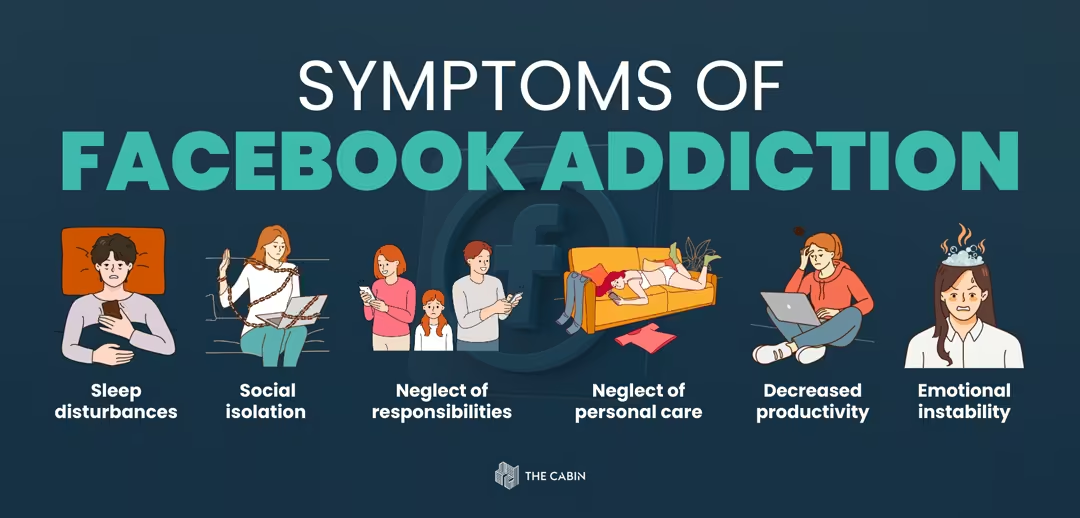
- Social isolation: Individuals frequently withdraw from social gatherings and relationships, prioritizing Facebook over real-world connections.
- Irritability and anxiety: Users become anxious or irritable when unable to access Facebook, according to The Impact of Social Media Use on Mental Health by Dr. Sarah O’Connor, published in 2020, or when interactions don’t meet expectations.
- Sleep disruption: Late-night Facebook use collides with regular sleep patterns, leading to insufficient rest.
- Decreased productivity: Time spent scrolling through Facebook replaces time for work or necessary tasks, reducing productivity.
- Neglecting responsibilities: Work, school, or home duties are ignored as Facebook use takes priority.
- Neglecting personal hygiene: Users focus on their online interactions rather than on self-care, skipping basic hygiene routines.
Recognizing Facebook addiction early is necessary for mental well-being. Facebook addiction symptoms disrupt daily life and require attention. Facebook addiction symptoms may lead to long-term consequences if ignored.
Feeling overwhelmed
by
Facebook?
What Causes Facebook Addiction?
The causes of Facebook addiction are listed below.
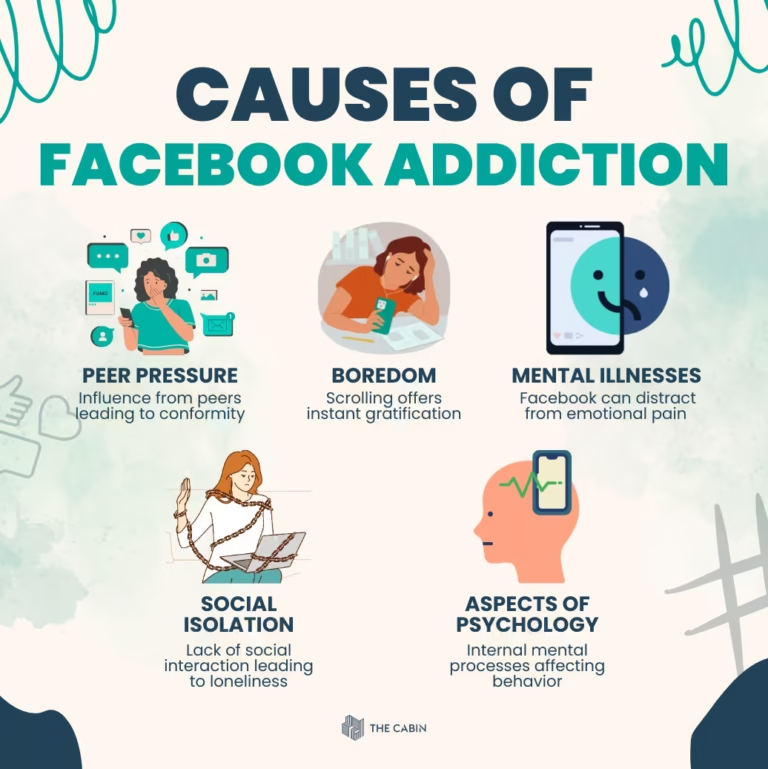
- Peer pressure: Individuals may feel the need to constantly check Facebook to fit in with peers or stay updated on social trends. The pressure to maintain an online presence can contribute to addictive behavior and a constant need for validation, according to The Role of Social Media in Mental Health by Dr. Rachel Turner, published in 2021.
- Boredom: Facebook becomes a go-to activity for individuals seeking to pass the time. Scrolling through the feed provides immediate gratification, reinforcing the habit.
- Mental Health Disorders: Conditions (anxiety and depression) can lead to seeking comfort in Facebook as a way to distract from emotional pain. The constant interaction can offer temporary relief, leading to dependence.
- Social Isolation: People who feel isolated may turn to Facebook for social connections. The platform provides a sense of community, which can become a coping mechanism for loneliness.
- Psychological Factors: Facebook triggers the brain’s reward system, as users seek validation through likes, comments, and shares, according to The Role of Social Media in Mental Health by Dr. Rachel Turner, published in 2021. The dopamine release from these interactions reinforces repeated use.
What are the Effects of Facebook Addiction?
The effects of Facebook Addiction are listed below.
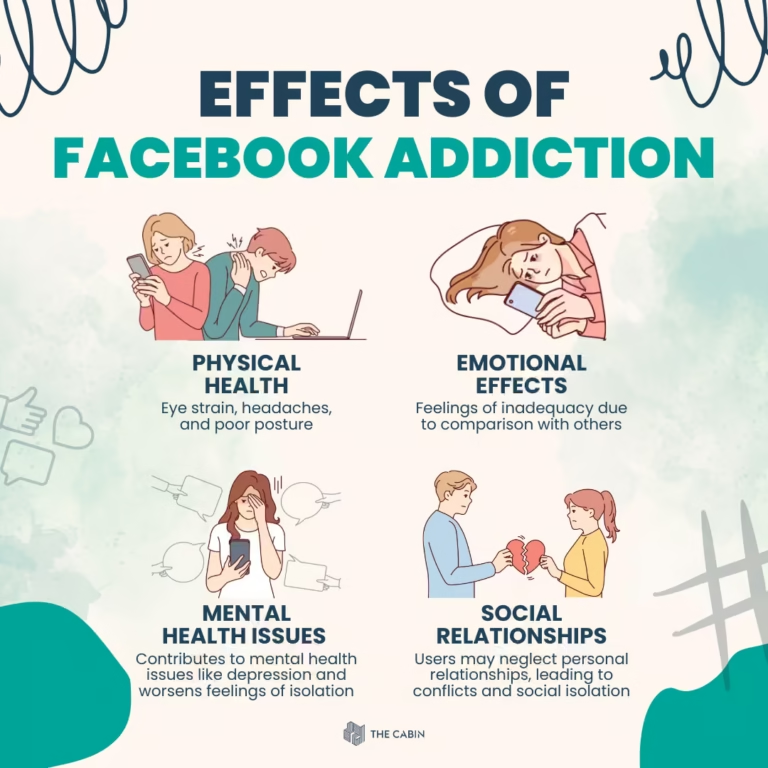
- Physical Health: Facebook addiction negatively affects physical health through sedentary behavior, as users spend long hours on the platform instead of engaging in physical activities. Eye strain, headaches, and poor posture are common physical issues related to prolonged screen time.
- Emotional Effects: Facebook addiction can lead to emotional instability, as users experience anxiety, stress, and frustration from seeking validation or comparing themselves to others. Constant exposure to curated content may trigger feelings of inadequacy or jealousy.
- Mental Health Issues: Addiction to Facebook contributes to a range of mental health issues(depression and anxiety). The constant need for social approval and online interaction worsens the feelings of isolation. The behavior causes a decline in overall well-being, according to “The Impact of Social Media on Mental Health” by Dr. Emily Thompson, published in 2020. Prolonged social media use is connected to higher rates of depression and anxiety among users.
- Social and Relationship Issues: Facebook addiction can strain relationships, as excessive time online replaces real-world interactions. Users may neglect personal relationships, leading to conflicts and social isolation. Examples include arguments with partners or friends over time spent on the platform.
How does Facebook Addiction Impact Mental Health?
Facebook addiction impacts mental health by increasing stress, anxiety, and feelings of inadequacy caused by less real-time interaction and frequently comparing themselves to other people, and seeing negative posts most of the time. Constant exposure to curated content can lead to social comparison, where users feel inferior to others, caused by comparing themselves to other people. Prolonged use reduces face-to-face interactions, contributing to feelings of loneliness and isolation. The requirement for constant social validation through likes and comments can result in depression. Facebook addiction can cause higher rates of anxiety and depression among users, according to The Impact of Social Media on Mental Health by Dr. Emily Thompson, published in 2020. The addictive cycle of seeking approval online increases the adverse effect on emotional well-being, affecting self-esteem and mood. Facebook addiction leads to a distorted sense of reality, increasing mental health struggles.
Can’t Put
Your
Phone
Down?
When to See a Doctor for Facebook Addiction?
Seek medical help for Facebook addiction when it begins to interfere with daily responsibilities, work, or relationships. Facebook use can cause significant emotional distress (anxiety or depression), it may indicate the need for professional intervention. The user may experience feelings of isolation, irritability, or withdrawal when not using Facebook. There are signs that addiction is taking a toll on mental health. Facebook use becomes uncontrollable, and attempts to limit screen time are unsuccessful. Professional help may be necessary, according to The Impact of Social Media on Mental Health by Dr. Emily Thompson, published in 2020. Addiction to social media platforms like Facebook may require therapy, particularly when it leads to depression or severe anxiety. Recognizing these signs early can help manage addiction and prevent long-term mental health issues.
How is Facebook Addiction Diagnosed?
Facebook addiction is diagnosed through a combination of clinical interviews, behavioral questionnaires, and self-reporting scales. Clinical interviews with mental health professionals can help identify Facebook usage patterns and the impact of compulsive use of Facebook on daily life. Behavioral questionnaires help assess the frequency and intensity of social media use, identifying compulsive patterns. Self-reporting scales allow individuals to express their perceptions of Facebook use and its effects on well-being. The impact on daily life is evaluated by examining how addiction affects work, relationships, and overall functioning. Observation of compulsive patterns and analysis is important, noting behaviors like checking Facebook repeatedly, even when it interferes with essential activities. An evaluation of co-occurring mental health disorders (anxiety or depression) is critical to determine if these conditions contribute to the addiction. Diagnostic criteria from the Diagnostic and Statistical Manual of Mental Disorders, Fifth Edition (DSM-5) or International Classification of Diseases, 10th Revision (ICD-10) are applied to assess if the behavior aligns with recognized addiction disorders. The comprehensive assessment helps in making an accurate diagnosis.
What are the Treatment Options for Facebook Addiction?
The Treatment Options for Facebook Addiction are listed below.
- Medication: Doctors may prescribe medications to treat underlying conditions such as anxiety or depression that contribute to Facebook addiction. Medications help manage emotional distress and decrease compulsive behaviors.
- Family Therapy: Family therapy focuses on improving communication and emotional support within the family unit. This can include Facebook addiction treatment and help to address relationship issues and create a supportive environment for someone struggling.
- Group Therapy: Group therapy creates and provides a platform for individuals to share their experiences with others facing similar challenges. The support structure encourages accountability and a sense of community.
- Behavioral Therapy: Behavioral therapy aims to change unhealthy behavior patterns associated with excessive Facebook use. It helps develop healthier and better coping mechanisms and habits. Behavioral therapy is effective in managing addiction, according to The Impact of Social Media Addiction on Mental Health by Dr. Emily Thompson, published in 2020.
- Cognitive Behavioral Therapy (CBT): CBT works by addressing negative thought patterns that lead to compulsive Facebook use. Similar Facebookaholic treatment helps individuals reframe their thinking or perspective and reduce addictive behaviors.
Can Facebook Addiction be Treated in Rehab?
Yes, Facebook addiction can be treated in rehab. The Rehabilitation centers specialize in managing behavioral addictions, including social media addiction, and help individuals recover from Facebook addiction. Rehab provides structured treatment plans that address the underlying psychological and emotional causes of addiction. Therapy sessions for individuals and groups help patients recognize their compulsive behaviors and work on healthier coping mechanisms. Cognitive Behavioral Therapy (CBT) is used to change negative thought patterns and decrease the desire for excessive social media use, and disengage from the platform. Detox programs in rehab centers can help participants detach from Facebook and make the recovery the center of attention. Rehab is appropriate and helpful when addiction severely affects daily life, colliding with work schedule, work itself, relationships, or mental health. Rehab centers offer comprehensive support and guidance to help individuals with higher cases and similar problems. Facebook addiction treatment in rehab can help patients take back control over their social media habits and improve overall well-being.
What is the difference between Facebook Addiction and Social Media Addiction?
Facebook addiction refers explicitly to immoderate use of Facebook, frequently leading to negative impacts on daily life. It involves constant behaviors such as seeking validation through likes and comments on the platform. Social media addiction covers a broader spectrum, including continuous use of other social media platforms (Instagram, Twitter, and TikTok). The behaviors in Facebook addiction are focused on Facebook’s features, compared to social media addiction, which includes a broader range of platforms and activities. Facebook addiction may cause anxiety or isolation when an individual compares themselves to others, sees negative or upsetting posts, and engages in Facebook interactions. Social media addiction affects overall online engagement and real-life social interactions, and can make people feel lonely and stressed. The broader scope of Social Media Addiction impacts multiple platforms, whereas Facebook addiction is based only on one platform.
Reclaim Your Life and Time Today!
The Cabin Sydney offers personalised counselling and support to help you regain control of your tech use.